Unlocking the Potential of High Performance Plastics in Healthcare
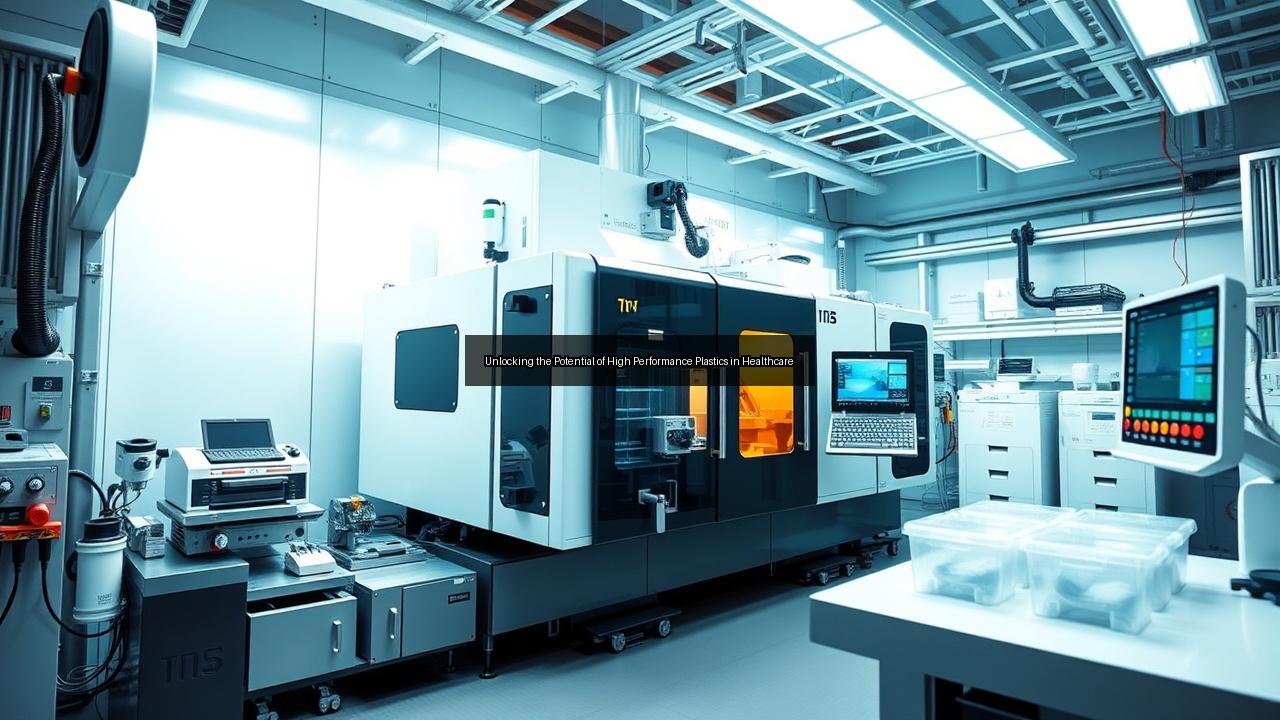
The Role of High Performance Plastics in Healthcare
Introduction to Medical Plastics
Medical plastics form the backbone of modern device production. Manufacturers rely on durable polymers that withstand repeated use while meeting strict performance demands. These materials support everything from surgical tools to implantable components. Medical plastics machining plays a central role here, allowing precise shaping of stock shapes into functional parts. Processors start with medical grade resins that resist chemicals and maintain structural integrity during sterilization cycles. Extruded profiles provide consistent dimensions that reduce waste in later stages. Engineers select thermoplastic options based on mechanical properties needed for each application. This foundation enables reliable medical devices that improve patient outcomes across hospitals and clinics worldwide.
Importance of Biocompatibility in Medical Applications
Biocompatibility determines whether a polymer can contact human tissue without triggering adverse reactions. High performance plastics undergo rigorous testing to confirm they meet these criteria before entering production. Material suppliers certify grades specifically for medical use, documenting how they behave under body temperature and fluid exposure. Medical plastics machining preserves these properties by avoiding contaminants during cutting operations. Devices made from biocompatible stock maintain sterility after autoclave or gamma processing. Manufacturers document every step to ensure traceability from raw pellet to finished component. This focus on compatibility reduces rejection rates in implants and catheters while supporting long-term device reliability in clinical settings.
Overview of High Performance Plastics
High performance plastics deliver superior strength, temperature resistance, and chemical stability compared with standard resins. PEEK, PPSU, and PEI stand out because they retain mechanical properties after repeated sterilization. Medical plastics machining transforms these polymers into tight-tolerance parts that replace metal in weight-sensitive applications. Extruded rods and sheets serve as starting stock for CNC operations that achieve complex geometries. These materials also support near net shapes that minimize machining time and material loss. Device designers choose high performance options when load-bearing or electrical insulation requirements exceed ordinary plastic capabilities. The result is lighter, corrosion-free medical devices that perform consistently in demanding environments.
Manufacturing Processes for Medical Plastics
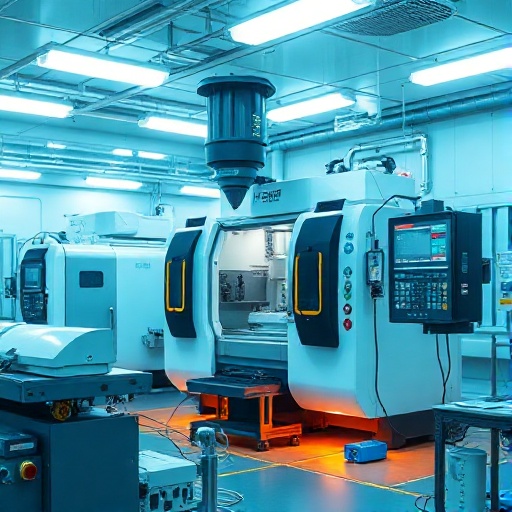
Extrusion Techniques for Medical Grade Plastics
Extrusion produces continuous profiles with uniform cross-sections ideal for medical tubing and structural components. Processors heat medical grade pellets and force the melt through precision dies that control wall thickness and diameter. Downstream calibration stations maintain tolerances critical for later assembly into medical devices. Extruded stock then moves to medical plastics machining cells where CNC equipment removes material to create features such as threads or ports. Consistent raw material quality ensures downstream operations achieve repeatable results. Manufacturers monitor melt temperature and pull speed to prevent defects that could compromise device function or biocompatibility after sterilization. This method supports high-volume production of components used in catheters, housings, and fluid management systems.
CNC Machining: Precision in Medical Applications
CNC machining delivers the accuracy required for medical device components that must fit within narrow tolerances. Operators program multi-axis mills and lathes to cut medical grade stock into finished geometries while preserving surface finish. Medical plastics machining removes burrs and achieves Ra values suitable for implant surfaces. Five-axis equipment handles undercuts and angled holes that conventional methods cannot reach. Coolant selection prevents heat buildup that might alter polymer crystallinity or introduce contaminants. Shops track tool wear carefully because even minor dulling affects dimensional stability. The process supports both prototype quantities and production runs where each part must match validated specifications exactly.
Injection Molding for High Volume Production
Injection molding fills precision molds with molten thermoplastic to create complex parts in seconds. Medical device manufacturers use this method when annual volumes justify tooling investment. Cavity designs incorporate draft angles and uniform wall sections that promote complete filling without sink marks. Post-mold cooling fixtures hold dimensions until the polymer solidifies fully. Parts often require secondary medical plastics machining to add threads or remove gates. Quality standards demand lot traceability from resin lot to finished device. Clean-room molding environments limit particulate contamination before sterilization. The combination of high throughput and repeatable tolerances makes injection molding essential for disposables and reusable instrument housings alike.
Quality Standards and Regulatory Compliance
FDA Regulations for Medical Plastics
FDA oversight covers material selection, processing, and final device performance for any plastic component contacting patients. Manufacturers submit detailed documentation showing how medical grade polymers meet ISO 10993 biocompatibility requirements. Process validation records demonstrate that extrusion, machining, and sterilization steps consistently produce parts within validated parameters. Medical plastics machining facilities maintain change-control procedures so any equipment or material modification receives approval before production resumes. Traceability systems link every finished device back to raw material certificates. Noncompliance risks warning letters or product recalls, so companies invest heavily in quality management systems that satisfy both FDA and international notified bodies.
Ensuring Quality in Medical Device Manufacturing
Quality systems integrate incoming inspection of polymer stock with in-process checks during machining and molding. Statistical process control tracks critical dimensions on medical plastics machining centers to detect drift before parts exceed tolerance. Clean-room protocols and validated cleaning procedures protect biocompatibility throughout production. Sterilization validation confirms that ethylene oxide or radiation cycles do not degrade polymer properties. Finished devices undergo functional testing that simulates clinical use. Documentation packages accompany shipments so customers can verify compliance. These layered controls give OEMs confidence that every component will perform safely once assembled into diagnostic or therapeutic equipment.
Recognizing Manufacturers of High Performance Plastics
Leading manufacturers distinguish themselves through certified quality systems, material expertise, and vertical integration. They maintain ISO 13485 registration and offer full material traceability from pellet to part. Specialized shops combine extrusion, CNC machining, and inspection under one roof to shorten lead times for medical devices. Customers evaluate suppliers based on their ability to hold tight tolerances on high performance plastics while preserving biocompatibility. Firms that invest in clean-room machining and validated sterilization methods earn preferred status with device makers. Recognition also comes from consistent delivery performance and willingness to support regulatory submissions with detailed process data.
Applications of Medical Plastics in Devices

Common Medical Devices Utilizing High Performance Plastics
Surgical instruments, diagnostic housings, and implantable fixation devices all incorporate high performance plastics. PEEK spinal cages machined from extruded stock provide radiolucency and bone-like modulus. PPSU trays withstand repeated autoclave cycles without cracking. Medical plastics machining creates fluidic channels in microfluidic cartridges used for point-of-care testing. Catheter components extruded from medical grade polyurethane achieve the flexibility and pushability clinicians require. Near net shapes reduce machining time on these parts while maintaining the tolerances needed for reliable assembly. The shift from metal to polymer continues because plastics eliminate corrosion risk and lower device weight for improved ergonomics.
Benefits of Near Net Shapes in Medical Devices
Near net shapes start closer to final geometry, cutting both material waste and machining hours. Extruded or molded blanks undergo minimal material removal during medical plastics machining, preserving polymer integrity near critical surfaces. Reduced cycle times lower production costs without sacrificing dimensional accuracy. Manufacturers achieve tighter tolerances on load-bearing features because less heat is generated during finishing passes. Near net shapes also simplify validation because fewer process variables affect final part performance. Medical device companies adopt this approach for high-value implants where material cost and processing time directly impact margins.
Case Study: Genesis Medical Plastics
Genesis Medical Plastics specializes in converting high performance polymers into precision components for orthopedic and surgical applications. The company extrudes medical grade PEEK and PPSU into rods and plates that CNC cells then machine to customer drawings. Tight process controls hold tolerances within ±0.05 mm while maintaining surface finishes suitable for implant use. Genesis validates every machining parameter for biocompatibility retention after sterilization. Their near net shape program reduced material usage by 30 percent on spinal implants. Customers receive full lot traceability and supporting documentation required for FDA submissions. This integrated capability positions Genesis as a reliable partner for device makers seeking consistent quality in medical plastics machining.
Future Trends in Medical Plastics Machining
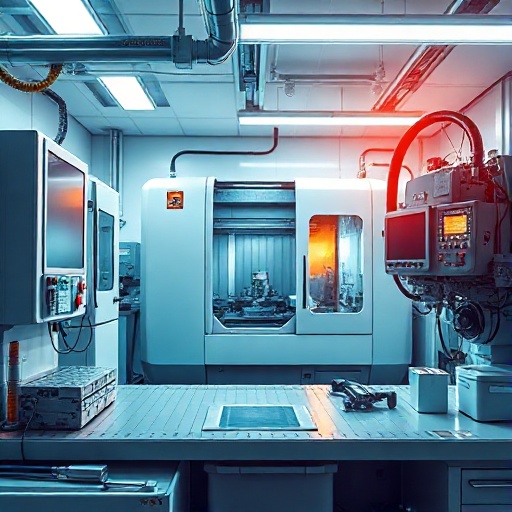
Innovations in Plastic Machining Technologies
Advanced tool coatings and high-speed spindles now allow faster material removal rates on tough polymers without compromising finish. In-process probing verifies dimensions on the machine, reducing inspection bottlenecks. Medical plastics machining centers integrate robotic loading to support lights-out production of high-volume components. Software simulation predicts thermal effects on polymer crystallinity, helping programmers optimize feeds and speeds. These innovations shorten development cycles for new medical devices while improving repeatability. Shops adopting the latest equipment gain competitive advantage when bidding on complex, tight-tolerance work.
Sustainability in Medical Plastics Manufacturing
Manufacturers explore closed-loop recycling of thermoplastic scrap generated during machining. Reprocessed medical grade material undergoes testing to confirm it retains original mechanical and biocompatibility properties. Energy-efficient extruders and CNC machines lower the carbon footprint of medical plastics production. Design teams specify near net shapes to minimize waste at the source. Some facilities adopt bio-based polymers that meet performance requirements while reducing reliance on petroleum feedstocks. Sustainability initiatives align with hospital procurement preferences for environmentally responsible device suppliers.
The Role of Ensinger in Advancing Medical Plastics
Ensinger supplies high performance stock shapes and machined components that meet stringent medical requirements. Their material portfolio includes certified grades of PEEK, PPSU, and PEI optimized for biocompatibility and sterilization resistance. Ensinger collaborates with device manufacturers on application-specific formulations that enhance wear resistance or radiolucency. Medical plastics machining operations at Ensinger facilities maintain ISO 13485 certification and validated processes. The company also develops sustainable polymer solutions that support circular economy goals within healthcare. Their technical support helps OEMs navigate material selection and regulatory documentation, accelerating time-to-market for next-generation medical devices.