The Essential Guide to Safe Bulk Oil Storage Practices
Understanding Bulk Oil Storage Systems
Types of Bulk Oil Storage Tanks
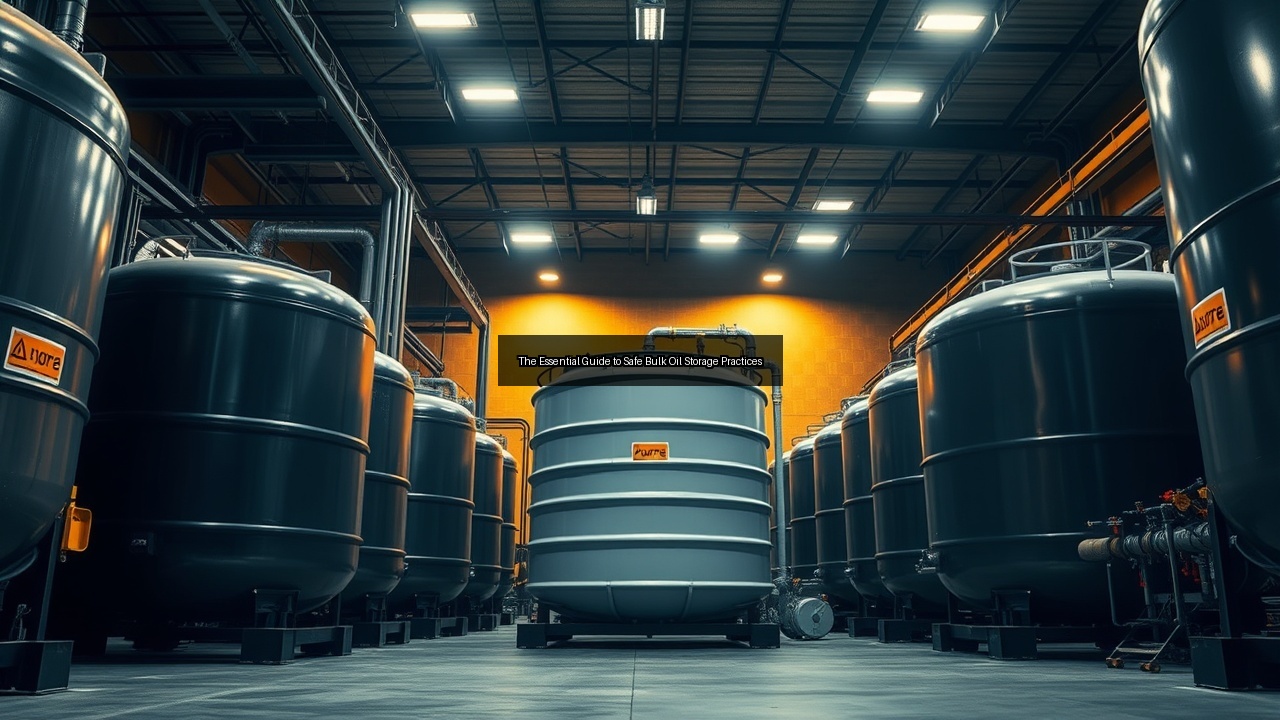
Bulk oil storage tanks come in various designs and sizes, each tailored to specific needs and applications. Common types include vertical tanks, horizontal tanks, and underground tanks. Vertical tanks are often favored for their space-saving design and can store a significant volume of oil, typically ranging from 100 to several thousand gallons. Horizontal tanks, on the other hand, are easier to install and maintain, making them popular in industrial settings. Underground tanks offer additional protection from environmental factors and can help minimize the risk of spills. Choosing the right type of tank depends on your operational requirements and available space, as well as compliance with local regulations.
Materials Used in Storage Tanks: Steel vs. Polyethylene
The choice of material in bulk oil storage tanks significantly impacts durability, safety, and maintenance. Steel tanks, often welded for enhanced integrity, provide excellent structural strength and resistance to punctures. However, they require regular inspection to prevent corrosion, especially in harsh environments. Polyethylene tanks offer a lightweight alternative, resistant to corrosion and UV damage, making them ideal for outdoor storage. These tanks are often used for smaller volumes but can handle a range of fluids, including lubricants. Ultimately, the decision between steel and polyethylene hinges on your specific storage needs, environmental considerations, and budget.
The Role of Filtration in Oil Storage
Filtration plays a crucial role in maintaining the quality of bulk oils stored in tanks. Contaminants such as dirt, water, and particulates can compromise the integrity of lubricants, leading to equipment failure and reduced efficiency. Implementing a robust filtration system during both storage and dispensing ensures that oils remain clean and free from impurities. Regularly changing filters and maintaining filtration units helps uphold the quality of stored oils. Utilizing filtration not only extends the life of lubricants but also enhances the performance of machinery that relies on high-quality fluids.
Best Practices for Safe Bulk Oil Storage
Compliance with OSHA and EPA Regulations
Adhering to OSHA and EPA regulations is vital for safe bulk oil storage. The Occupational Safety and Health Administration (OSHA) establishes standards to ensure worker safety in environments where hazardous materials, including oil, are handled. Compliance involves proper labeling, staff training, and regular safety audits. The Environmental Protection Agency (EPA) focuses on preventing environmental contamination through spill prevention and control measures. Facilities must have a Spill Prevention, Control, and Countermeasure (SPCC) plan in place, detailing strategies to manage potential spills and leaks. Regularly reviewing these regulations and updates ensures that operations remain compliant and safe.
Fire Safety Measures in Oil Storage
Fire safety is paramount in bulk oil storage facilities. Implementing fire safety measures can significantly reduce the risk of catastrophic incidents. Install appropriate fire suppression systems, such as sprinklers and foam extinguishers, in areas where flammable liquids are stored. Ensure that storage tanks are located away from ignition sources and equipped with proper venting systems to prevent pressure buildup. Conduct regular fire drills and training for staff to prepare for emergency situations. Additionally, keeping the storage area clean and free of debris minimizes fire hazards, creating a safer environment for all personnel involved in oil handling.
Utilizing Gravity Feed Systems for Efficient Dispensing
Gravity feed systems provide an efficient and reliable method for dispensing bulk oil. These systems utilize the natural force of gravity to transfer oil from storage tanks to dispensing units, minimizing the need for pumps and reducing energy costs. Properly designed gravity feed systems ensure a steady flow of lubricants while maintaining high quality. Regular inspection and maintenance of these systems are crucial, as blockages or leaks can compromise efficiency and safety. Implementing a gravity feed system not only enhances operational efficiency but also simplifies the dispensing process, making it an ideal choice for many bulk oil operations.
Bulk Oil Dispensing Systems: An Overview
Pneumatic vs. Manual Dispensing Systems
When it comes to bulk oil dispensing, choosing between pneumatic and manual systems can affect efficiency and safety. Pneumatic dispensing systems utilize compressed air to transfer oil from storage tanks to equipment, providing quick and efficient delivery. These systems often include features such as automatic shut-off valves and flow meters, ensuring precise dispensing and minimizing waste. Manual dispensing systems, typically involving hand pumps or gravity feed, require more labor but can be more cost-effective for smaller operations. Each method has its advantages, and the choice largely depends on the scale of operations and specific dispensing requirements.
Understanding 55 Gallon Drums and Skids
55-gallon drums and skids are common components in bulk oil storage and dispensing systems. These drums provide a portable solution for storing lubricants and other oils, allowing for easy transportation and transfer to machinery or vehicles. Skids, on the other hand, offer a stable base for drum storage, often equipped with built-in dispensing systems and spill containment features. Both options enhance flexibility in managing bulk oil supplies, enabling facilities to maintain efficient operations. Proper handling and storage of these units are critical to minimizing spills and ensuring compliance with safety regulations.
Waste Oil Management and Disposal Practices
Effective waste oil management is essential for any facility handling bulk oils. Proper disposal practices not only comply with environmental regulations but also promote sustainability. Facilities must establish procedures for collecting and storing waste oil, ensuring it is kept separate from other fluids to prevent contamination. Implementing a tracking system for waste oil generation helps in managing disposal and recycling efforts. Engaging with certified waste oil recycling companies ensures that oils are processed correctly, reducing environmental impact. Training staff on waste oil handling and disposal practices further enhances safety and compliance, fostering a culture of responsibility in oil management.
Maintaining Your Bulk Oil Storage and Dispensing Systems
Regular Inspection and Maintenance of Storage Tanks
Regular inspection and maintenance of bulk oil storage tanks are crucial for ensuring safety and compliance. Schedule routine inspections to check for signs of corrosion, leaks, or structural damage. Establish a maintenance routine that includes cleaning tanks, checking seals, and verifying that all safety equipment is operational. Keeping tanks in good condition not only prolongs their lifespan but also prevents potential hazards associated with oil leaks and spills. Documenting inspections and maintenance activities can help demonstrate compliance with regulatory requirements and enhance the overall safety of oil storage operations.
Best Practices for Lubrication and Oil Quality Control
Maintaining high-quality lubricants is essential for effective machinery operation and longevity. Implement best practices for lubrication by regularly monitoring oil conditions and ensuring proper storage. Use filtration systems to remove contaminants and regularly test lubricants for viscosity and oxidation levels. Keeping records of lubrication activities helps track oil quality over time and identify any trends that may indicate issues. Training staff on the importance of oil quality control fosters a proactive approach to lubrication management, ensuring that equipment operates reliably and efficiently.
Emergency Preparedness and Spill Response Planning
Having an emergency preparedness and spill response plan is vital for any facility involved in bulk oil storage and dispensing. This plan should outline procedures for detecting spills, containing them, and notifying appropriate authorities. Regularly train staff on these procedures to ensure everyone understands their roles in an emergency. Conduct drills to simulate spill scenarios, allowing staff to practice their response and identify areas for improvement. Stock essential spill response equipment, such as absorbents and containment booms, in accessible locations. A well-prepared facility can mitigate the impacts of spills and protect both personnel and the environment from potential harm.